


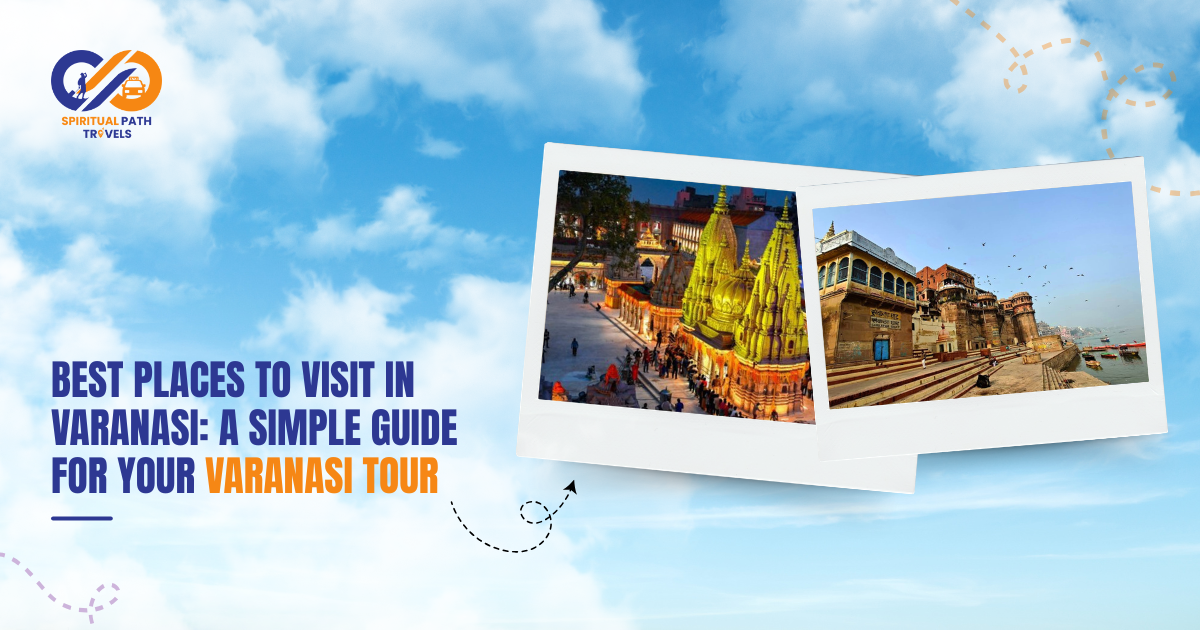
Varanasi is not just a city. It pulls you in. The ghats glow at dawn. Bells ring in narrow lanes. Boats float on the Ganges. Are you planning a Varanasi Tour? You may have many questions. Which temples matter most? How many days do you need? What is the cost? This guide gives clear answers. It uses simple words. It follows how the city works each day. No extra talk. Just the facts you need.
What Makes a Varanasi Tour Worth Planning?
A good Varanasi Tour is not about seeing everything. It is about seeing the right spots. Pick them in the right order. Varanasi loves slow mornings. It loves quiet evenings too. The city runs on ritual, not rush.
Here is what makes a trip feel right:
- Visit the ghats early, before heat and crowds arrive
- Watch one evening aarti. One is enough to feel its magic
- Take a break between temple visits. Do not treat darshan like a checklist
- Keep one day free for Sarnath or a boat ride
Top Temples and Ghats to Visit
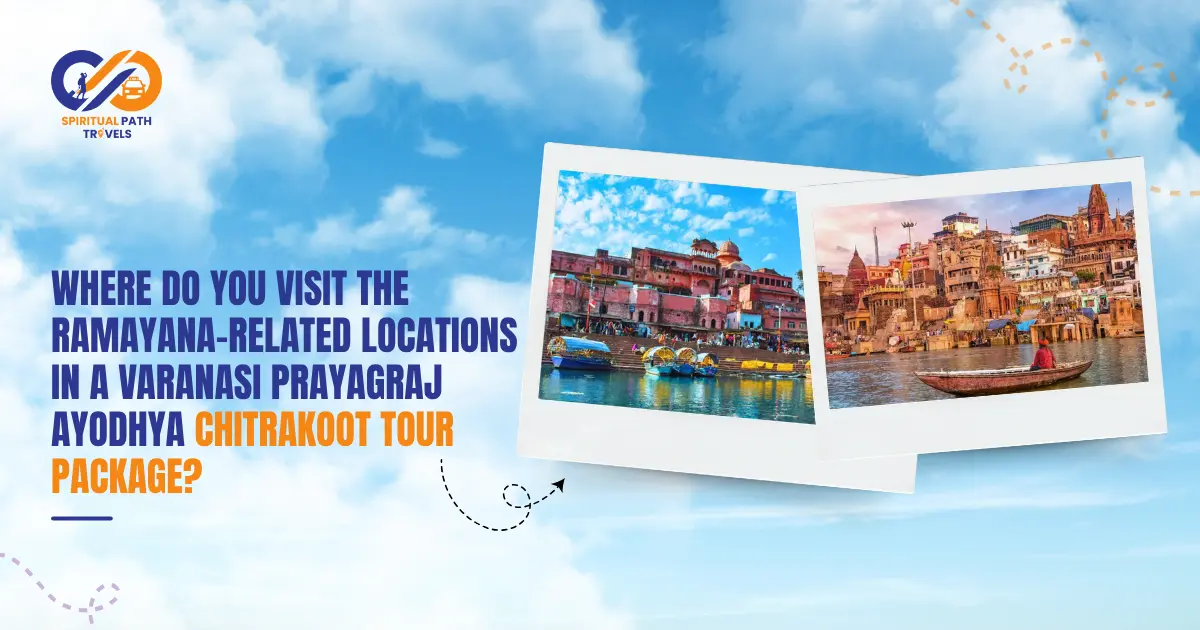
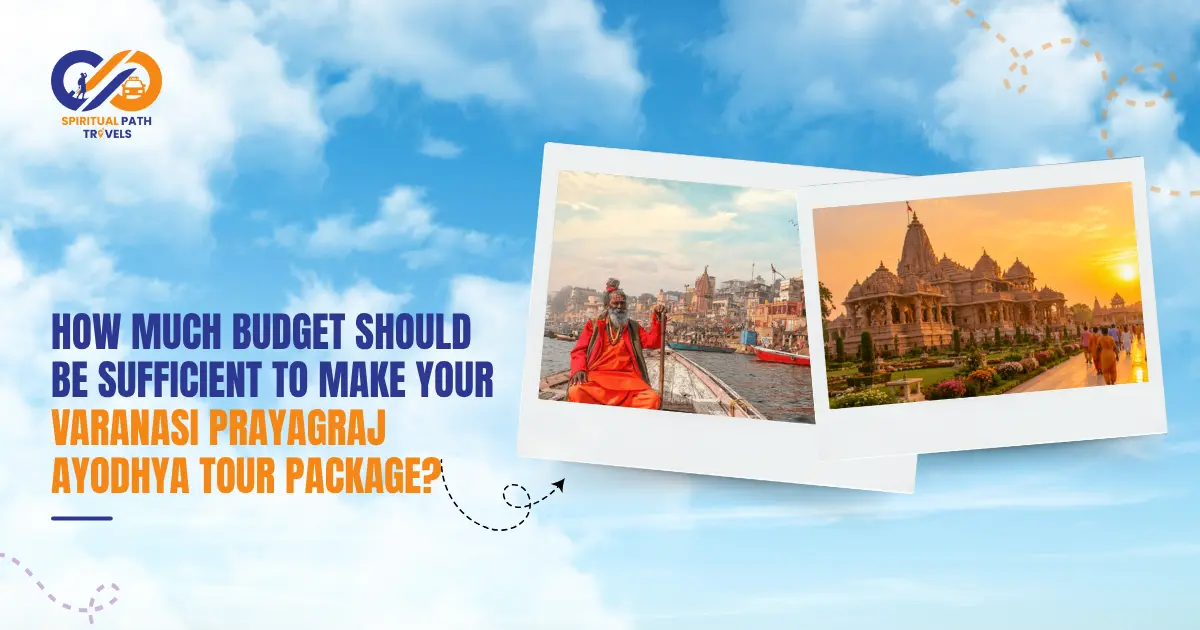
Every Varanasi Tour should build around a few key spots. These places carry real weight. They matter for both faith and history.
Temples worth your time:
- Kashi Vishwanath Temple – The city’s most sacred shrine
- Sankat Mochan Temple – Calm mornings, fewer crowds
- Kaal Bhairav Temple – Tied to local legend and daily rituals
- Annapurna Mata Temple – Close to Vishwanath, easy to combine
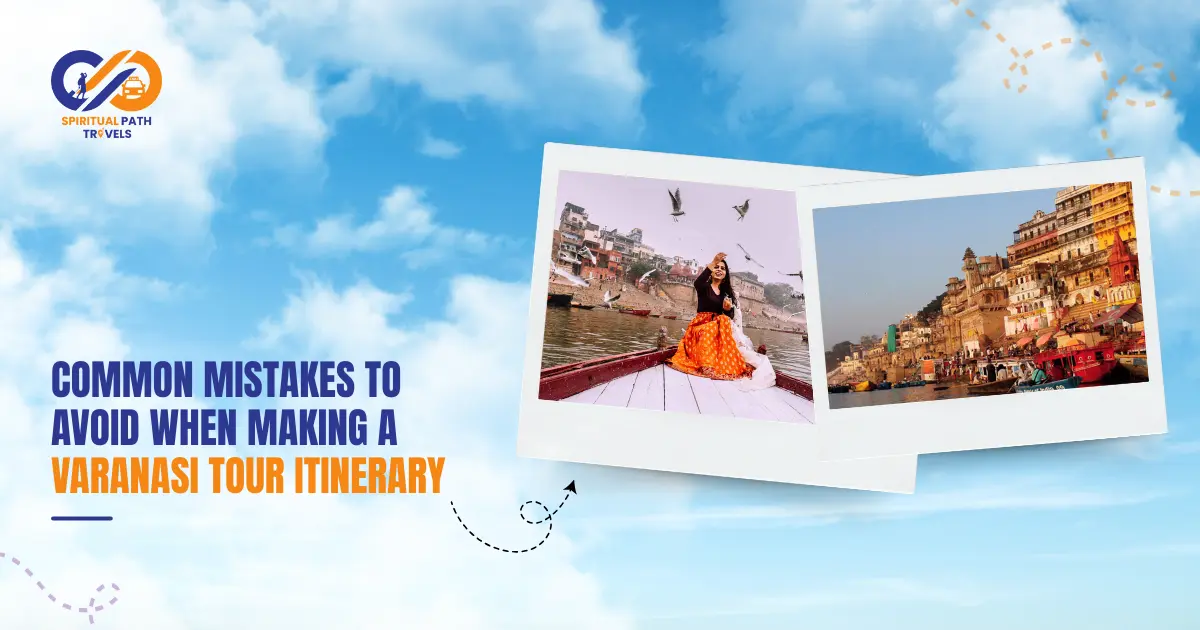
Ghats that define the city:
- Dashashwamedh Ghat – The main ghat, best for evening aarti
- Assi Ghat – Quiet, good for sunrise
- Manikarnika Ghat – The cremation ghat, sacred and deeply moving
A short trip on a boat during sunrise will acquaint you with all these ghats. It doesn’t take more than an hour to cover them.
Is Sarnath a Must-Visit on a Complete Varanasi Tour?
Yes. Sarnath is usually overlooked by new tourists accidentally. Sarnath is located approximately 13 km away from Varanasi. The place where Buddha gave his first sermon.
A complete Varanasi Tour often adds Sarnath on day two. Pair it with the main temple circuit. Here is what half a day in Sarnath covers:
- The Dhamekh Stupa, marking the spot of the first sermon
- Ashoka Pillar lion capital, at Sarnath Museum
- One or two Buddhist temples, Thai and Japanese temples in particular.
Best Time to Plan Your Trip
Weather changes how a day in Varanasi feels. Summers turn the ghats hot by mid-morning. Winters keep mornings misty and calm. This suits early temple visits much better.
| Season | Months | What to Expect |
| Winter | October to March | Cool mornings, best for walking and ghats |
| Summer | April to June | Very hot, plan indoor visits by noon |
| Monsoon | July to September | Humid, occasional flooding near ghats |
October to March works best for most travellers. Evenings stay pleasant. The Ganga Aarti feels far more comfortable without heat or humidity.
Quick tips for timing your trip:
- Book hotels early around Dev Deepawali or Mahashivratri
- Skip outdoor temple visits during peak summer afternoons
- Pack a light jacket for winter mornings near the river
How Much Does a Varanasi Tour Cost?
Cost depends on hotel type, group size, and extra cities you add. A short Varanasi Tour covering just the city costs less than trips that also add Prayagraj or Ayodhya.
Three factors shift the price the most:
- Hotel star rating (3-star vs 4-star changes cost fast)
- Private cab vs shared transport
- Add-ons like boat rides, often paid apart from the main package
Fixed packages with hotel, breakfast, and cab often cost less. Booking each piece alone tends to cost more.
How Many Days Do You Need for Varanasi?
The right length depends on what you want to see:
- 1 day – Only enough time for Kashi Vishwanath Temple and one evening aarti
- 2 days – Covers the ghats, main temples, and one Ganga Aarti with ease
- 3 days – Adds Sarnath without feeling rushed
- 4 to 6 days – Fits a wider circuit with Prayagraj or Ayodhya added
A well-paced Varanasi Tour always leaves room for slow mornings. A single day is possible, but it skips the early ghat walks. Those walks make this city feel different from anywhere else in India.
Make Your Varanasi Tour Effortless with Spiritual Path Travels
Planning a trip alone means juggling hotels, cabs, temple times, and aarti schedules. All at once. Spiritual Path Travels handles that load for you.
Working with a local team changes a few key things:
- Drivers who already know which ghat road gets blocked at aarti time
- Hotel bookings placed near the temple circuit, not far outside town
- A fixed Varanasi Tour plan, so prices stay steady mid-trip
A trip manager who stays reachable if plans need to shift
None of this replaces the real experience. It simply removes the stress around it.
Conclusion
A Varanasi Tour is best when there is space to slow down. The temples, the ghats, and the river all require time more than speed. Plan your days according to mornings and evenings.
Do you want a fixed, stress-free plan? Spiritual Path Travels can build one around your dates and budget.
Visit Spiritual Path Travels to discover other varanasi prayagraj ayodhya chitrakoot tour package and with the best facilities.
For more information about Varanasi, you can also check the following Wikipedia pages: Varanasi and List of Hindu temples in Varanasi.
FAQs
Is 2 days enough for Varanasi?
Yes, for the core sights. Two days cover Kashi Vishwanath Temple, the main ghats, and one Ganga Aarti at a calm pace.
How much will a Varanasi trip cost?
It depends on hotel type and group size. A basic Varanasi Tour with a 3-star hotel and shared cab costs less than one with private transport and 4-star stays.
What is the best tour package for Varanasi?
The best package fits your timeline. A 2-day plan suits quick visits. A 4 to 6 day Varanasi Tour works better if you want to add Sarnath, Prayagraj, or Ayodhya.
Which month is best for a Varanasi trip?
October to March works best. The weather stays cool. This makes early ghat visits and evening aarti far more pleasant.
Do I need to book temple darshan in advance?
For Kashi Vishwanath Temple, yes. VIP darshan slots fill up fast during festivals. Booking ahead helps avoid long queues.
Is it safe to walk around the ghats at night?
Main ghats like Dashashwamedh stay busy and lit until late. Narrow lanes further from the ghats are best avoided alone after dark.